

Physical Pharmacy
The science of physical and chemical properties of drugs — from foundational pharmacy history and literature, through states of matter and thermodynamics, to particle science and micromeritics.
Unit 1: Unit 1: Introduction to Pharmacy and History
Origins of pharmacy practice, evolution of the pharmacist role, landmark milestones in pharmaceutical science, and the regulatory framework shaping modern pharmacy.
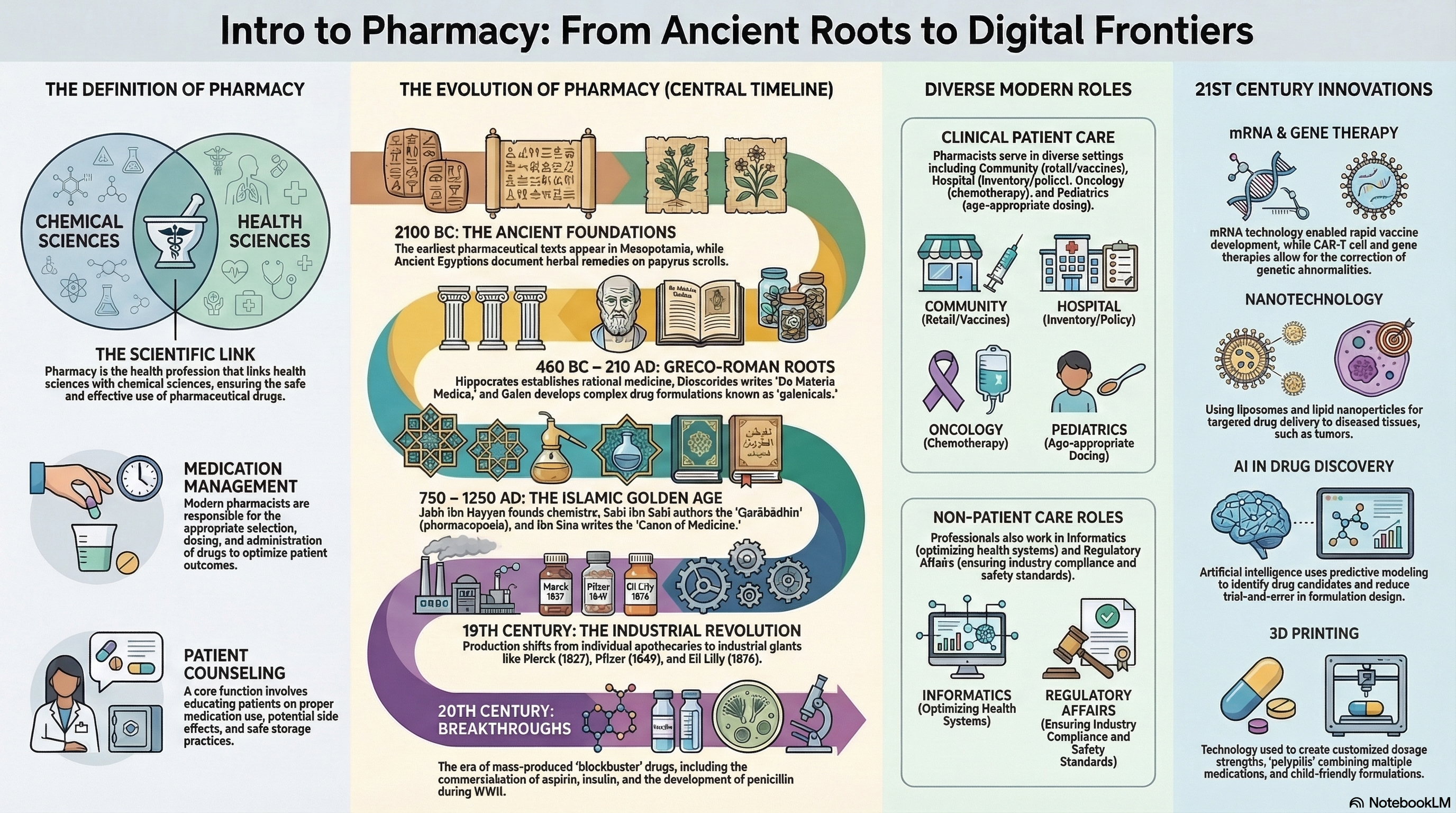
Unit 1: Introduction to Pharmacy and History
Origins of pharmacy practice, evolution of the pharmacist role, landmark milestones in pharmaceutical science, and the regulatory framework shaping modern pharmacy.
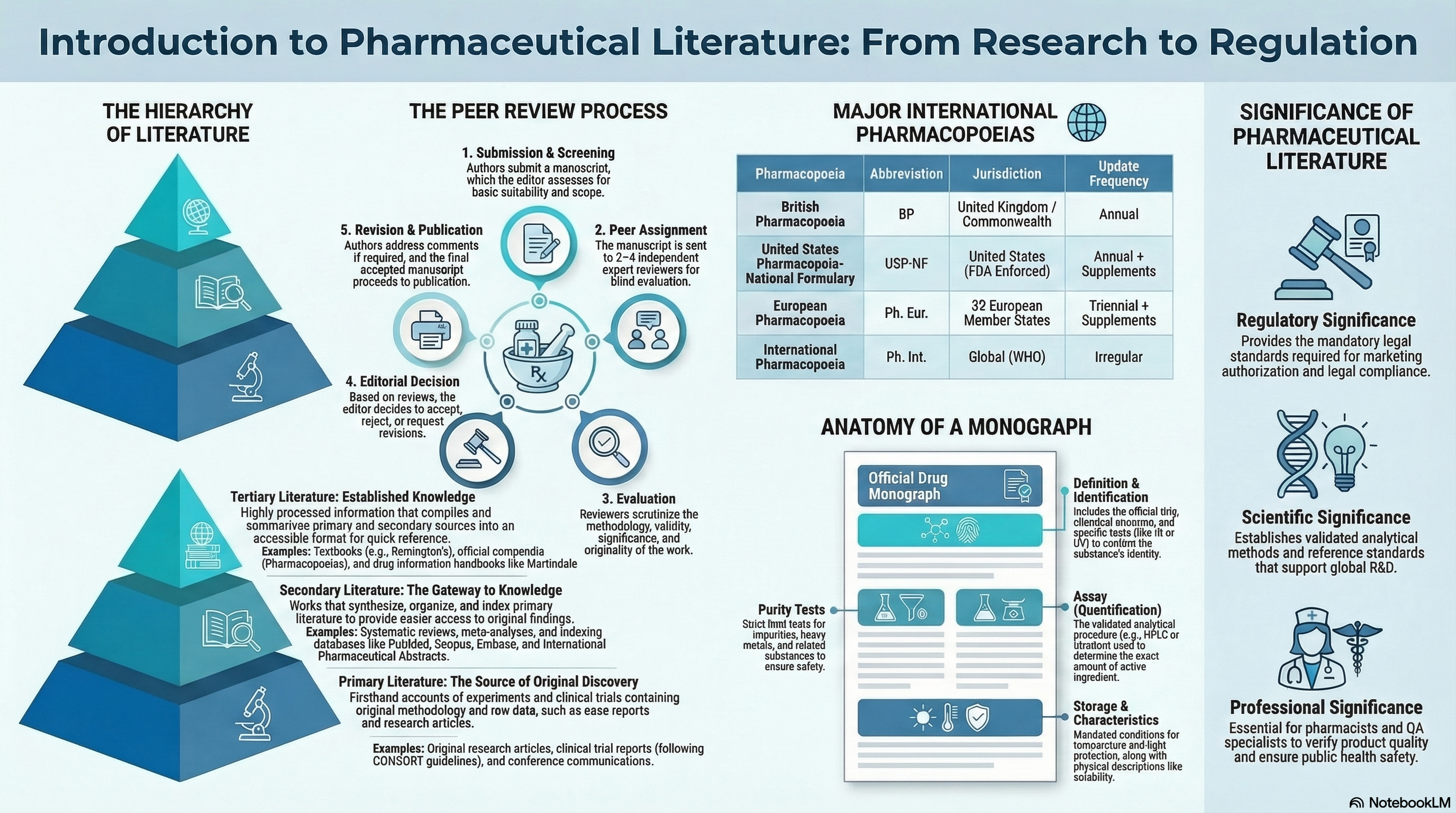
Unit 2: Introduction to Pharmaceutical Literature
Pharmacopoeias, formularies, drug information databases, primary and secondary literature sources, and how to critically evaluate pharmaceutical references.
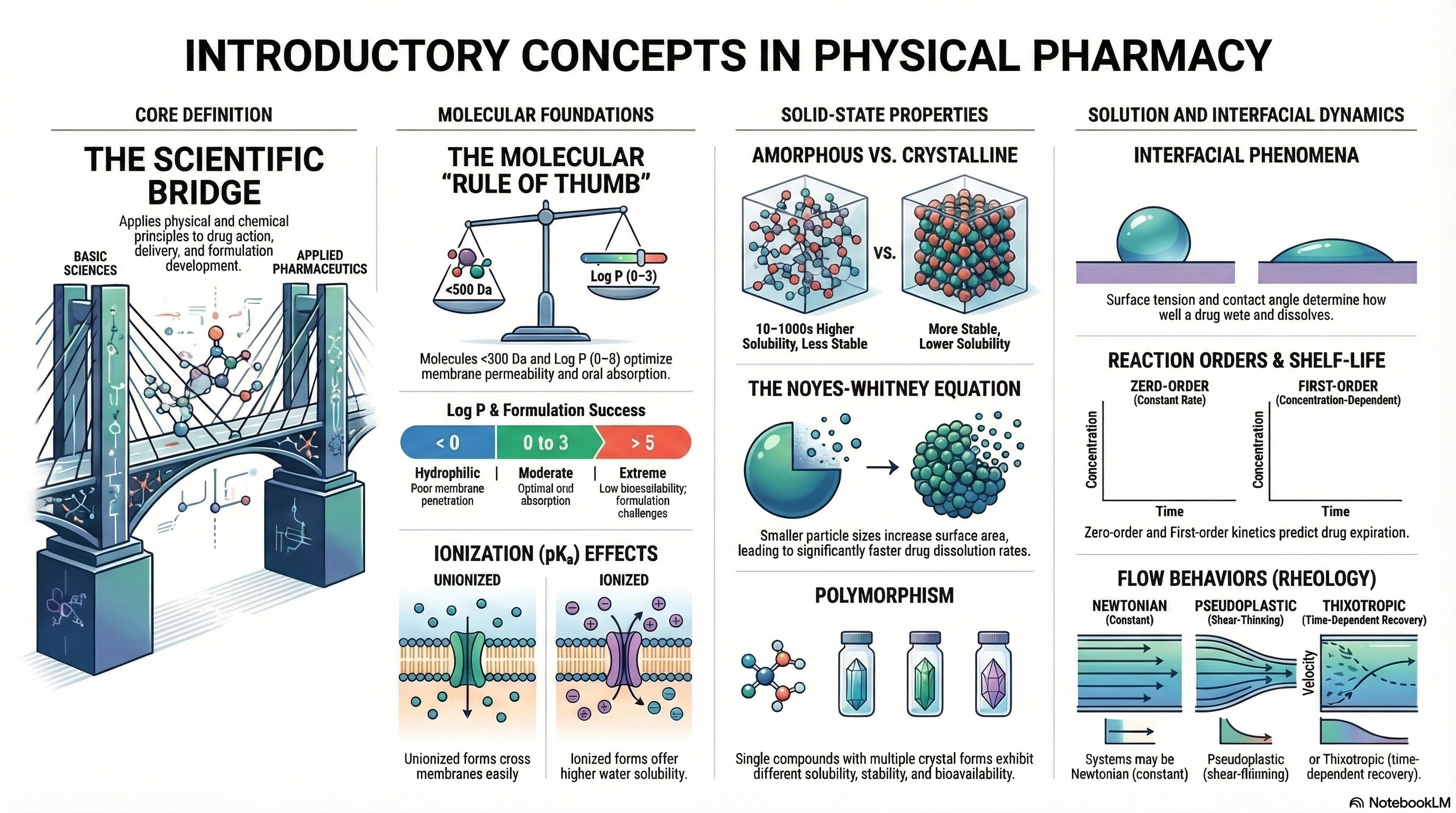
Unit 3: Introductory Concepts in Physical Pharmacy
States of matter, intermolecular forces, thermodynamic principles, phase diagrams, solubility, colligative properties, and their pharmaceutical significance.
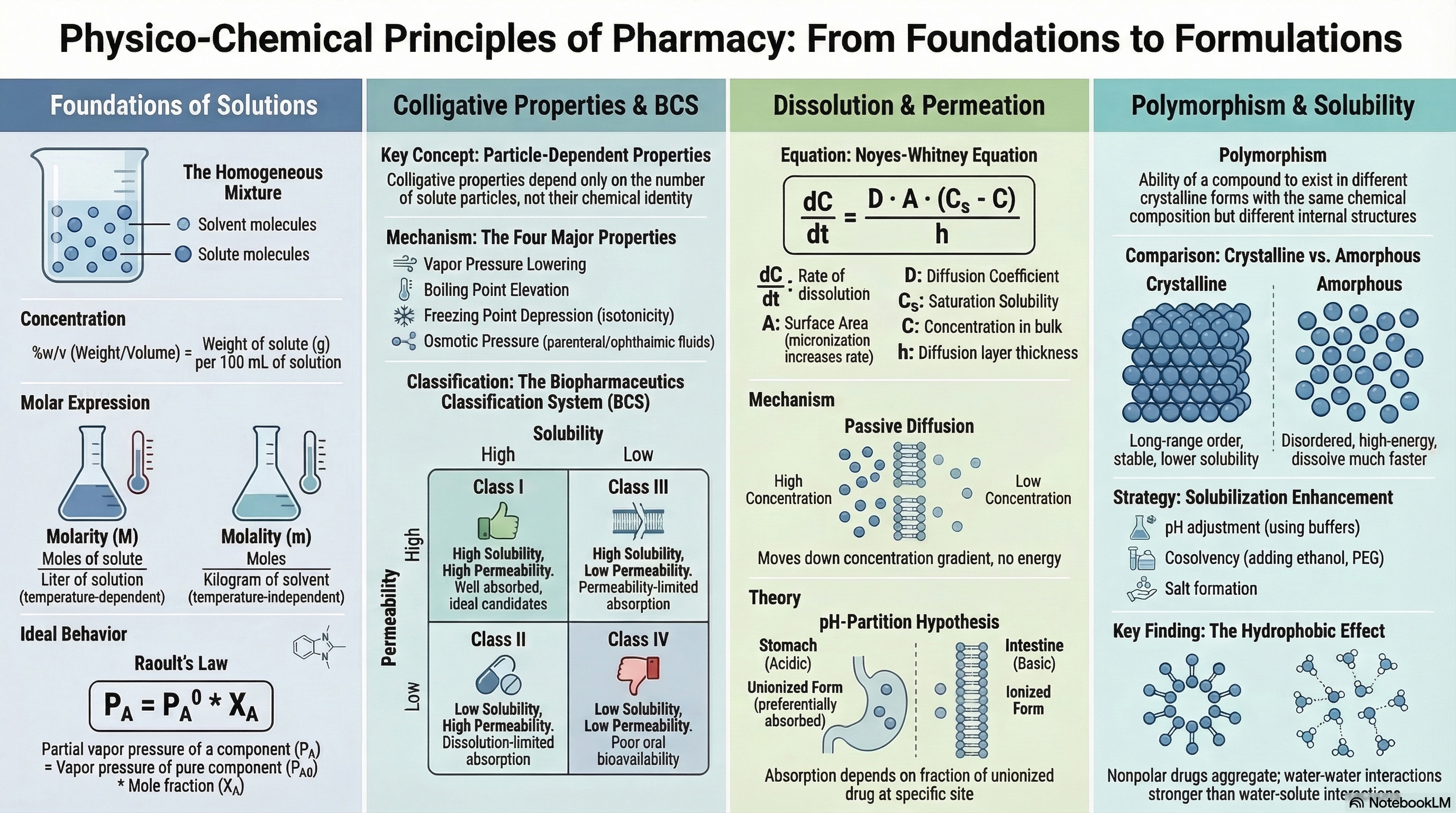
Unit 4: Physico‑Chemical Principles
Solubility, partition coefficient, surface tension, viscosity, rheology, and their influence on drug formulation and delivery.
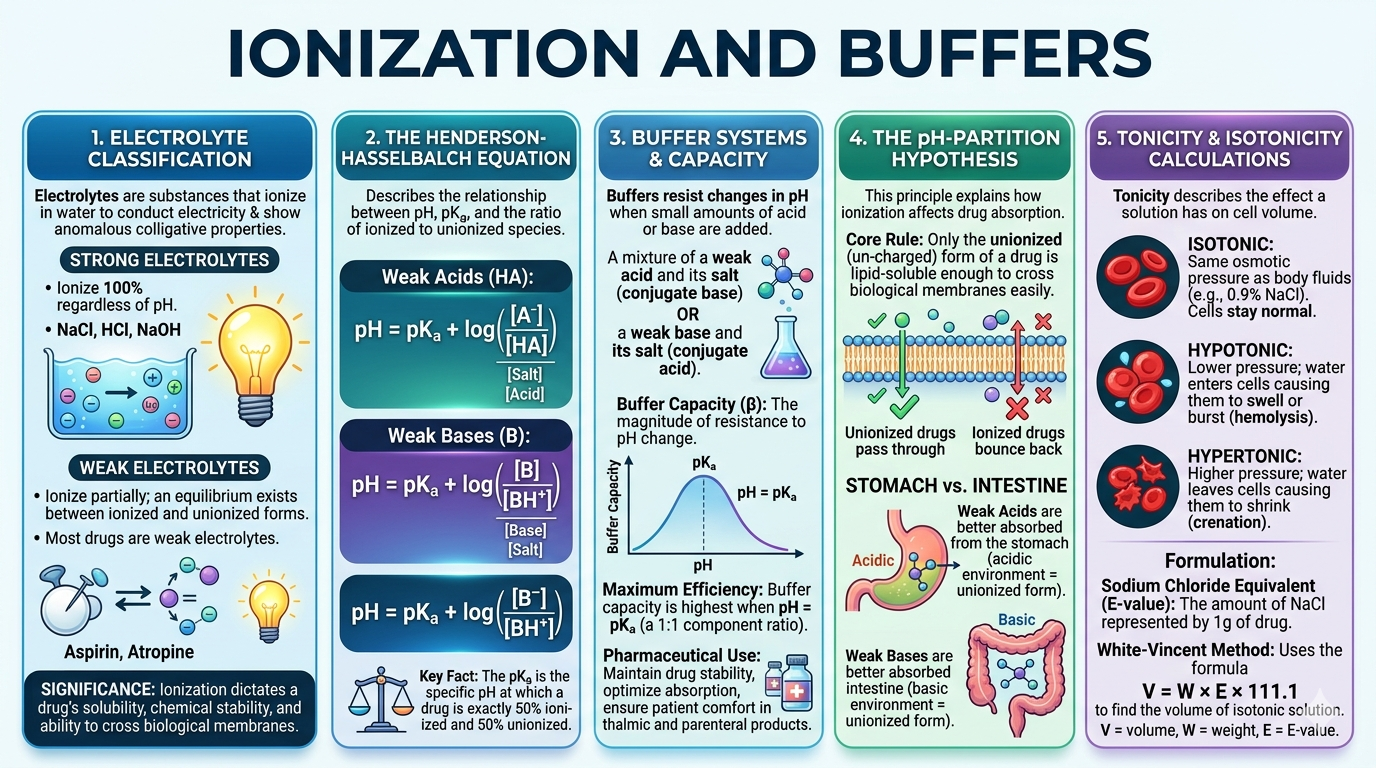
Unit 5: Ionization and Buffers
pH, pKa, Henderson‑Hasselbalch equation, buffer capacity, and the impact of ionization on drug absorption and stability.
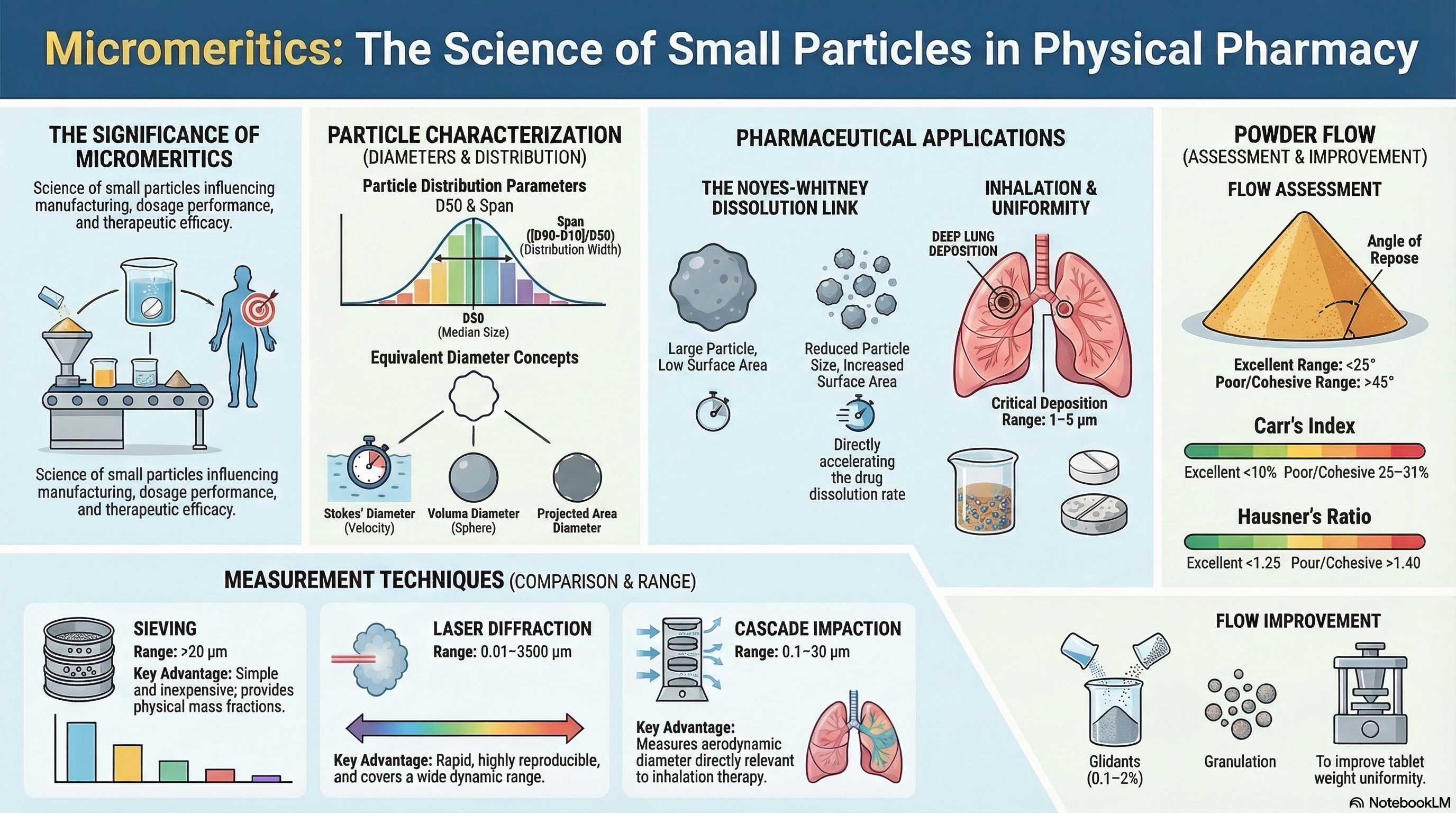
Unit 6: Micromeritics
Particle size analysis methods, size distribution, specific surface area, porosity, flow properties, packing, and their impact on drug absorption and formulation.